CMMS software for industrial plantsFix it before it fails.
See trouble early, plan the work, and prove it was done.
MaintenanceIQ is CMMS software for factories that puts work orders, preventive maintenance, condition monitoring and audit evidence on one record. It helps your planner, your technicians, your plant head and your quality head work from the same facts.
Industrial CMMS for maintenance, reliability and compliance.
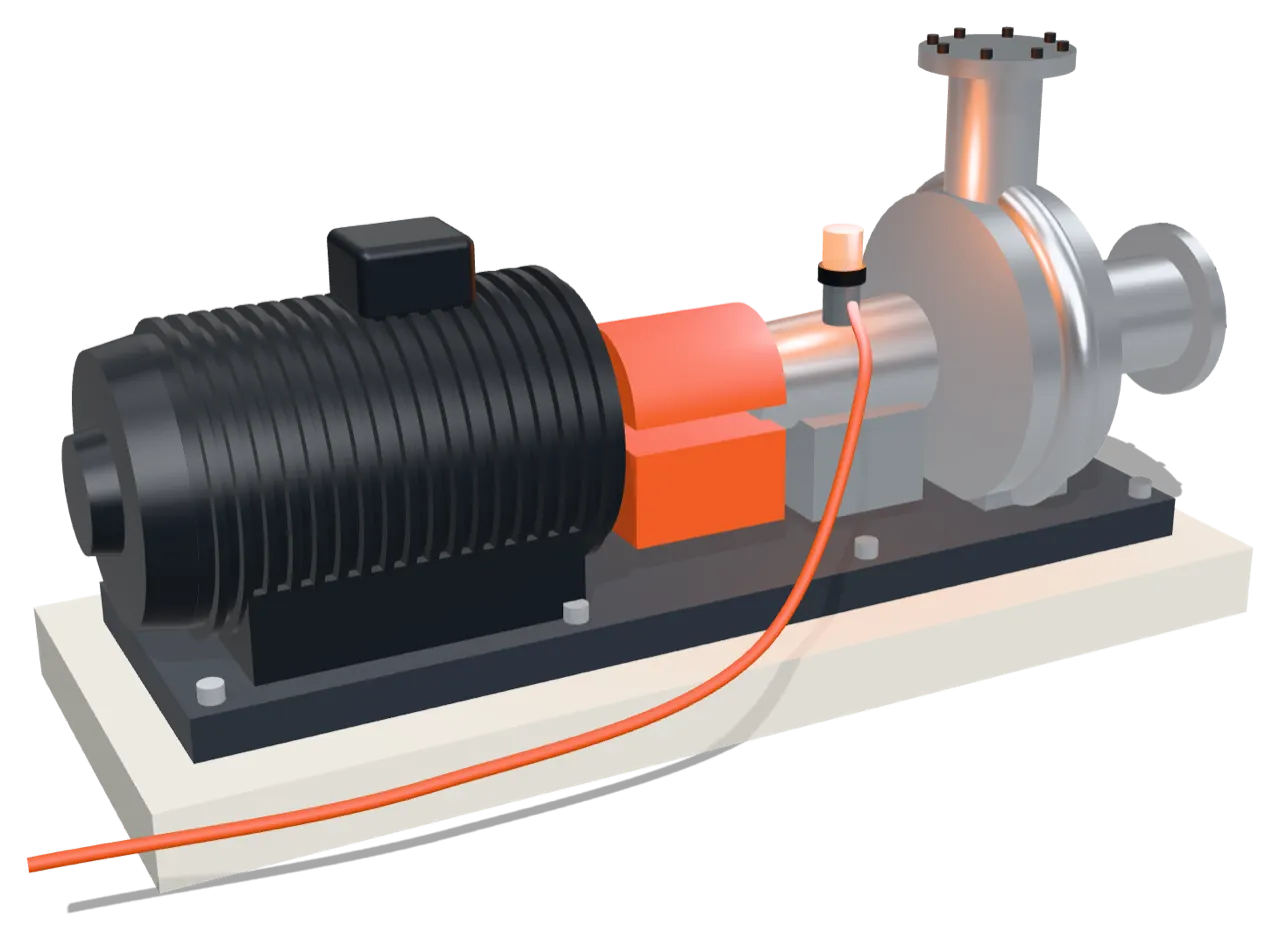
Illustrative example
The problem
Most plants still run maintenance on memory.
Work orders in a spreadsheet, checklists on paper, readings on a whiteboard, history in someone's head. Each piece works on its own. Together they leave gaps that turn into downtime and audit findings.
Breakdowns set the schedule.
Preventive work slips when the line is busy, so the next failure decides what the team does this week.
Signals never reach the planner.
Readings from PLCs, SCADA and manual rounds sit in different places. A machine can drift toward its limit for days with nobody acting on it.
Audits mean a week of digging.
Calibration certificates, PM records and breakdown closures live in binders and inboxes.
A day on the floor
Follow one plant through one day.
Five moments, one shared record. An illustrative day.
- 06:00Planner
Start the shift knowing what matters.
Less firefighting, more planned work.
See how planning works - 09:30Early warning
Hear about the problem days before the breakdown.
Fix it in a planned stop, not an emergency.
See how early warning works - 11:00Technician
Everything the job needs, right at the machine.
Less paperwork, faster fixes, nothing lost.
See the mobile app - 17:00Plant head
End the day knowing where the plant stands.
Decide with facts.
See the analytics - Audit dayQuality head
Walk into the audit already assembled.
No more evidence hunts.
See the evidence packs
What changes
Every day looks more like that one.
Fewer surprise breakdowns.
Problems show up as a trend days ahead, not as a stopped line.
How: condition monitoring with drift-to-limit projection.
Planned work, not firefighting.
The team starts every shift on the jobs that matter most.
How: prioritized work orders, calendar and usage-based PMs.
Technicians on the tools.
Less time on paperwork and walking back to the office.
How: installable mobile app, QR scan, photo capture.
Decisions backed by facts.
Spares, people and replacements decided on real downtime data.
How: OEE, MTBF, MTTR, bad actors and cost.
Audit-ready every day.
Evidence collects itself as the work gets done.
How: immutable evidence packs.
One standard across sites.
Every line and plant works the same way, with the right access.
How: role-based access scoped by factory and department.
Proof
Proven where the metal is poured.
MaintenanceIQ ships a licensable Foundry & Metals vertical, and casting manufacturers run it on their floors today. Customer names withheld.
A precision investment casting foundry, Gujarat.
A full manufacturing solution provider serving automotive, oil & gas, marine, energy and healthcare.
- Parts
- 8,000+
- Alloys
- 100+
- Countries served
- 22+
A casting manufacturer.
Running MaintenanceIQ to keep production reliable, maintenance planned and audits ready.
Industries
The same rigor, beyond the foundry.
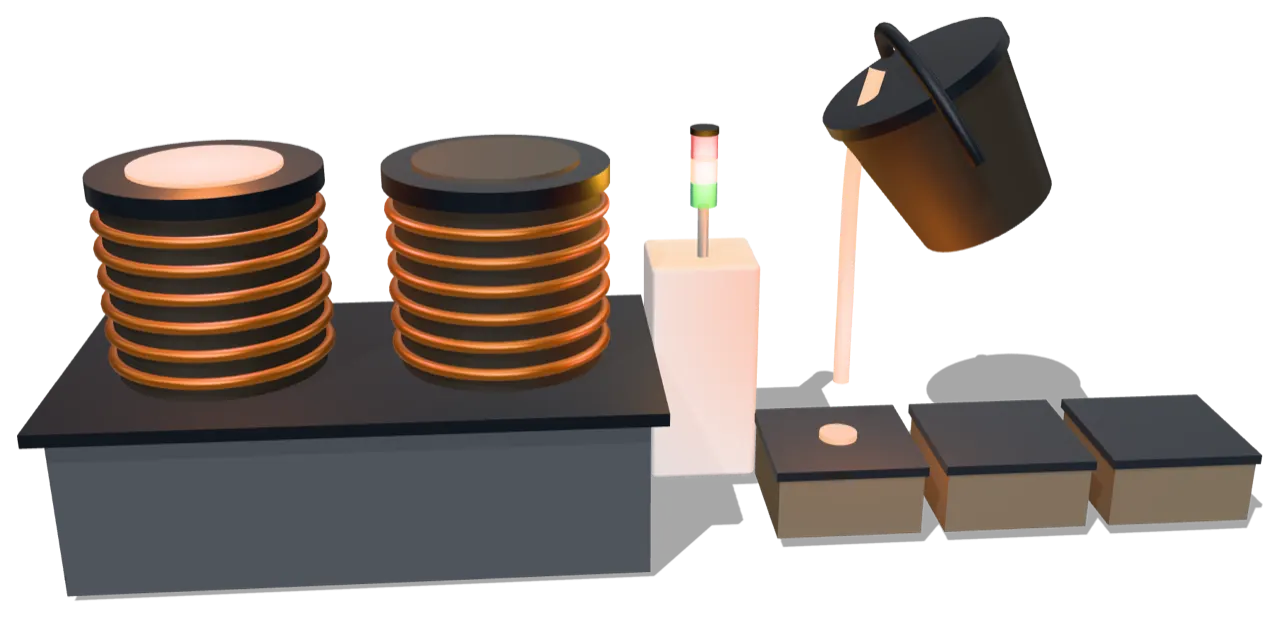
Foundry & Metals
Melt, pour and outcome records with computed yield, refractory campaigns with a projected reline date, and spectro chemistry checked against grade bands.
See the solution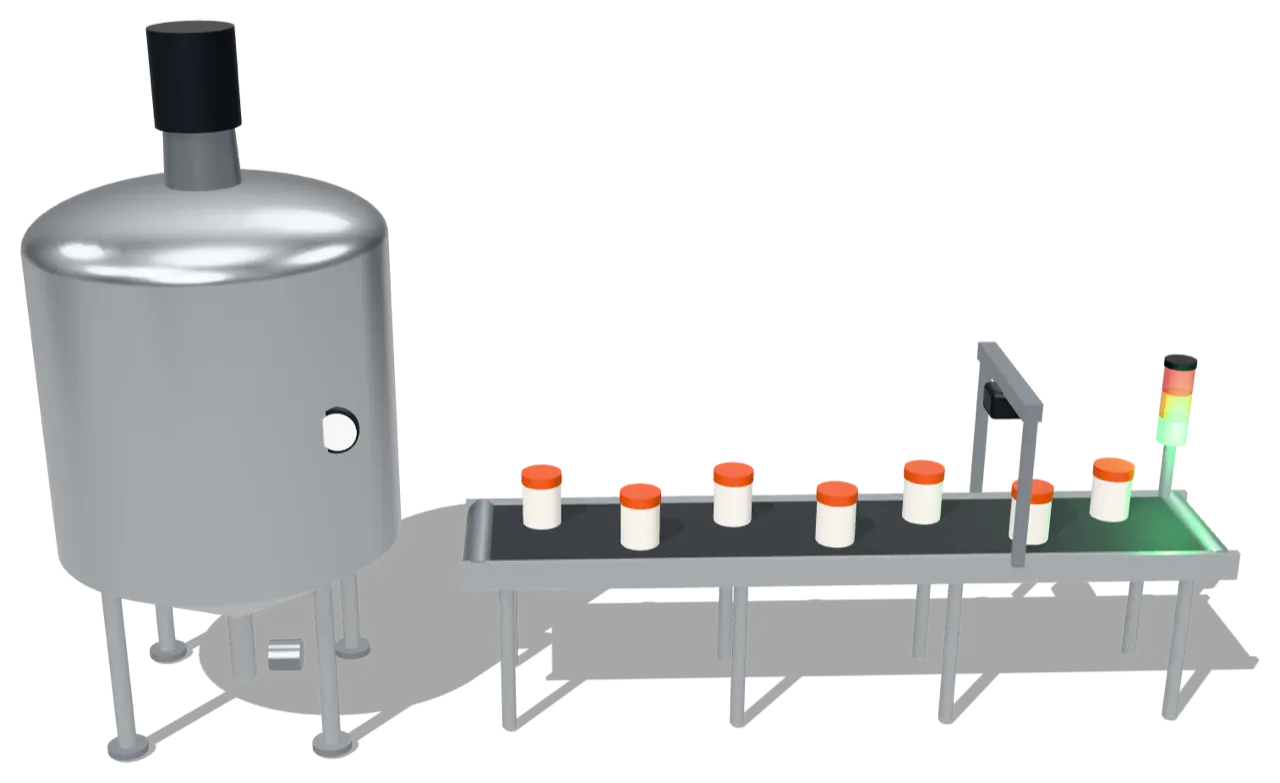
Food Production
Sanitation with ATP swab checks, allergen changeover, pest control, and lot traceability with recall drills.
See the solution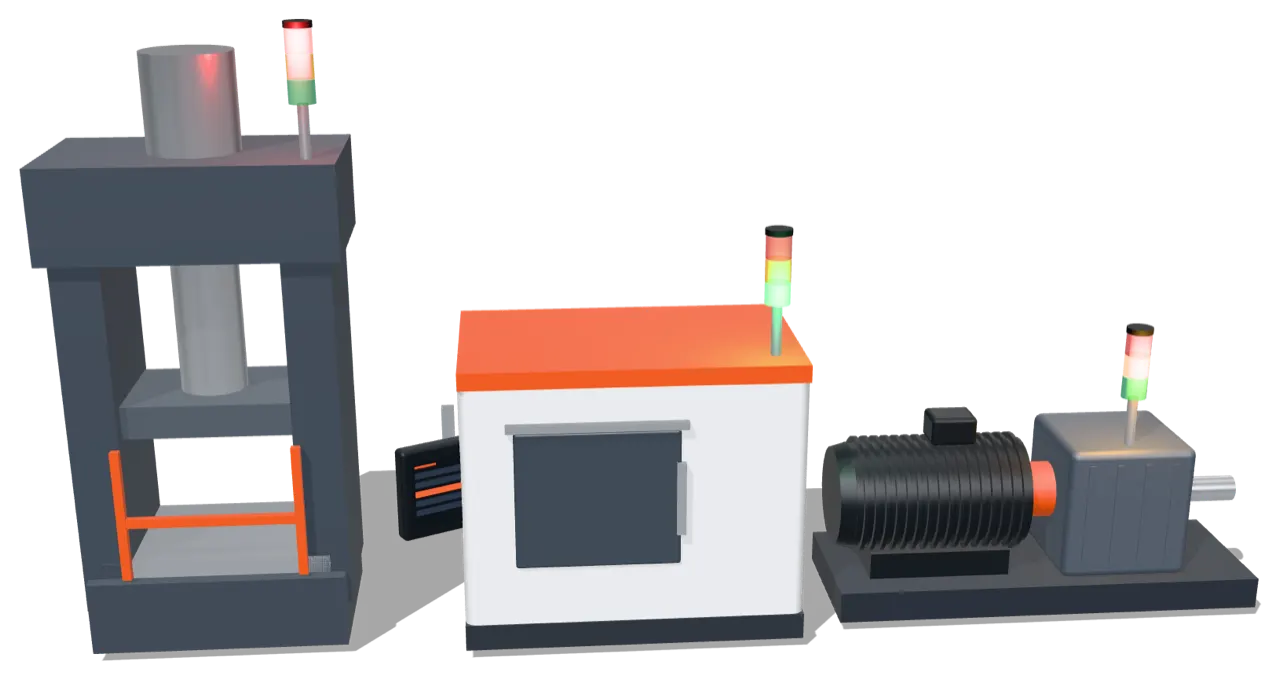
Investment & Metal Casting
Shell weight control, shell room and dewax records already ship in the Foundry package. We fit the rest to your line in a pilot.
Start with a pilot
Oil & Gas
Condition monitoring, inspections, and permit and lockout records for safety-critical assets, on the same platform.
Start with a pilotGetting started
Start with one line.
See the first early warning, the first planned fix and the first evidence pack. Then extend across the plant.
- 01
Pick one line.
Choose the line or asset group where downtime hurts most.
- 02
Prove it there.
The first early warning, the first planned fix and the first audit-ready evidence pack.
- 03
Extend.
Roll the same record out across the plant and your other sites.
Questions about choosing CMMS software
What is MaintenanceIQ?
MaintenanceIQ is industrial CMMS software for maintenance, reliability and compliance. It runs work orders, preventive maintenance, assets, calibration, spare parts, downtime and cost in one place. Condition monitoring, audit evidence packs, EHS and industry modules for foundry and food production can be added on top.
Does the mobile app work on the shop floor?
Yes. It installs from the browser on any phone or tablet, with no app store needed. Technicians scan QR and barcode tags, follow checklists, and add readings and photos with large, glove-friendly controls. The app itself loads when the signal drops, but saving work needs a network connection.
Can it use readings from our PLCs, SCADA or sensors?
Yes. Readings can be pushed from a PLC, SCADA system or IoT gateway through a token-secured ingest API, imported from CSV or Excel, or entered by hand on a round. Each reading is checked against the warning and critical limits you set the moment it arrives.
Which audit standards does it support?
Evidence packs are mapped to VDA 6.3, IATF 16949, FSSC 22000 and ISO 55001. Each pack shows a gaps summary and a readiness score, is frozen as a record that cannot be edited, and can be signed electronically if your process needs it. MaintenanceIQ gives your auditor the evidence. It does not certify your site.
Does it support single sign-on?
Yes. People sign in with the company identity your IT already runs. Role, factory and department permissions still decide what each person can see. Details are on the single sign-on page.
Is there an API?
Yes. Other systems can read and write work orders, assets, breakdowns and machine readings through a token-authenticated API, inside your organization. Details are on the API access page.
How is it priced, and can we try it first?
Core CMMS is priced per seat. Industry modules, condition monitoring, EHS and compliance packs are licensed on top, so you pay only for what you use. You can start a free three-day trial with full access, or book a demo for a quote.
Do we have to roll it out across the whole plant at once?
No. Most plants start with one line, where downtime hurts most. Once the first early warnings, planned fixes and evidence packs are working there, you extend to the rest of the plant and your other sites.